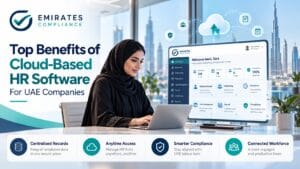
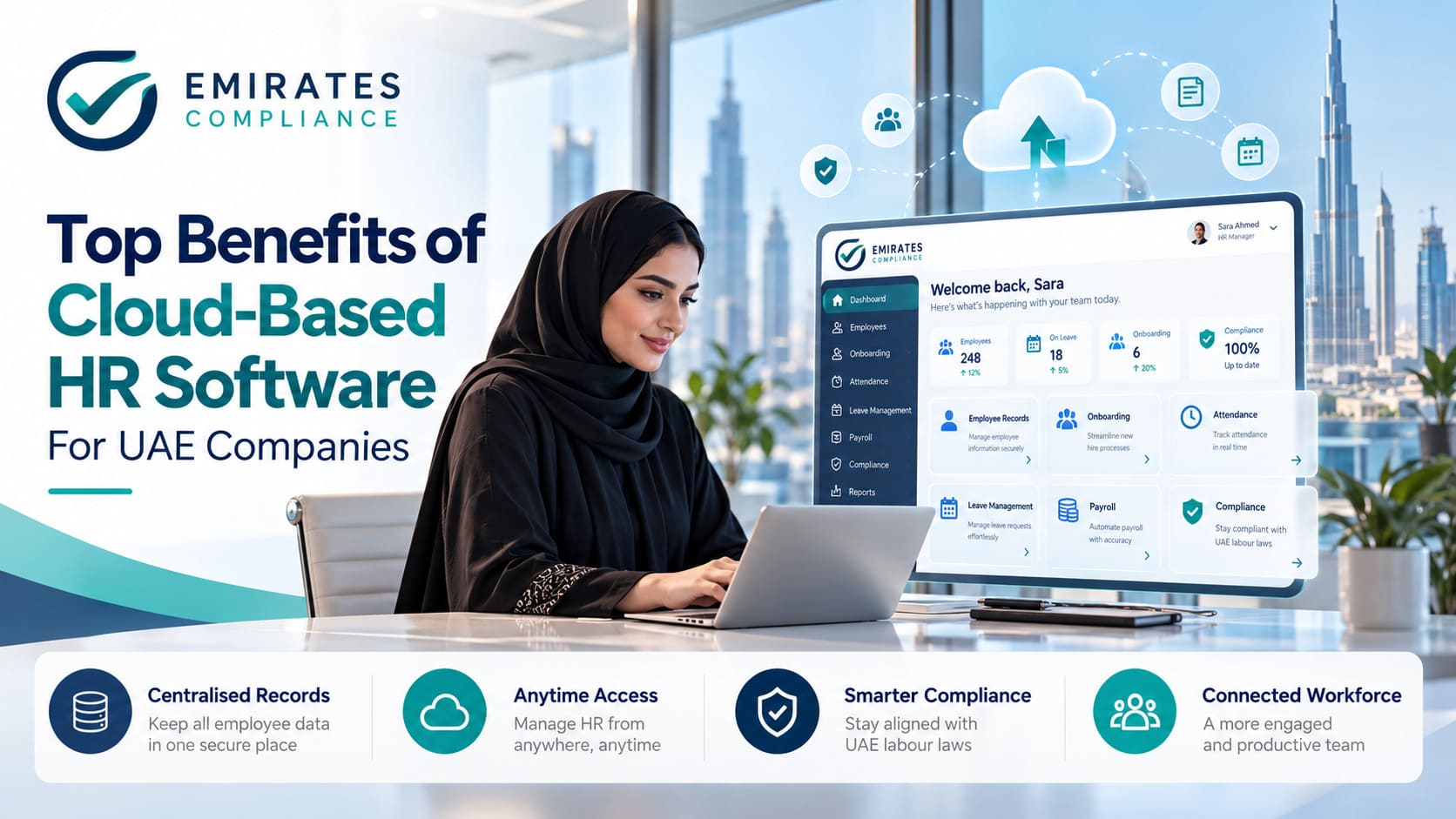
Managing human resources has become increasingly complex for businesses operating in the UAE. From employee onboarding and document management to attendance tracking, leave requests, and payroll preparation, HR teams handle several responsibilities every day. These challenges become more demanding when companies manage large workforces across multiple offices, projects, or client locations. Cloud-based HR software in UAE offers a practical solution by bringing essential employee information and workforce processes into one accessible digital platform. Instead of relying on scattered spreadsheets and manual records, businesses can improve efficiency, accuracy, and workforce visibility.
What Is Cloud-Based HR Software?
Cloud-based HR software is a digital human resource management system that allows authorised users to access employee information and HR workflows through an internet-connected platform. Unlike traditional systems installed on individual office computers, cloud solutions provide centralised access to workforce records from approved devices and locations. A modern cloud HR management system can support onboarding, attendance, leave administration, document tracking, payroll workflows, and reporting. This flexibility makes it particularly useful for UAE businesses managing employees across multiple locations.
1. Centralised Employee Information and HR Records
One of the biggest advantages of cloud HR software in UAE is the ability to maintain employee information within a single organised system. HR departments often manage identification details, employment records, document expiry dates, attendance information, and payroll-related data. Keeping these records in separate files increases the risk of outdated or inconsistent information. A centralised platform makes it easier for authorised employees to retrieve records, update relevant details, and identify missing information. This supports more consistent HR administration and reduces time spent searching for documents.
2. Simplified Employee Onboarding and Documentation
Employee onboarding involves collecting documents, creating employee profiles, and coordinating information between HR and operations teams. For manpower staffing, construction, security, and facilities management companies, these activities can become time-consuming when large numbers of workers join simultaneously. Cloud-based employee onboarding software helps organise onboarding steps, maintain digital documents, and reduce repeated data entry. Systems with AI-assisted document capture can further simplify information collection, subject to human verification. This creates a more consistent onboarding process and helps new employees move through administrative requirements efficiently.
3. Better Attendance Management Across Multiple Locations
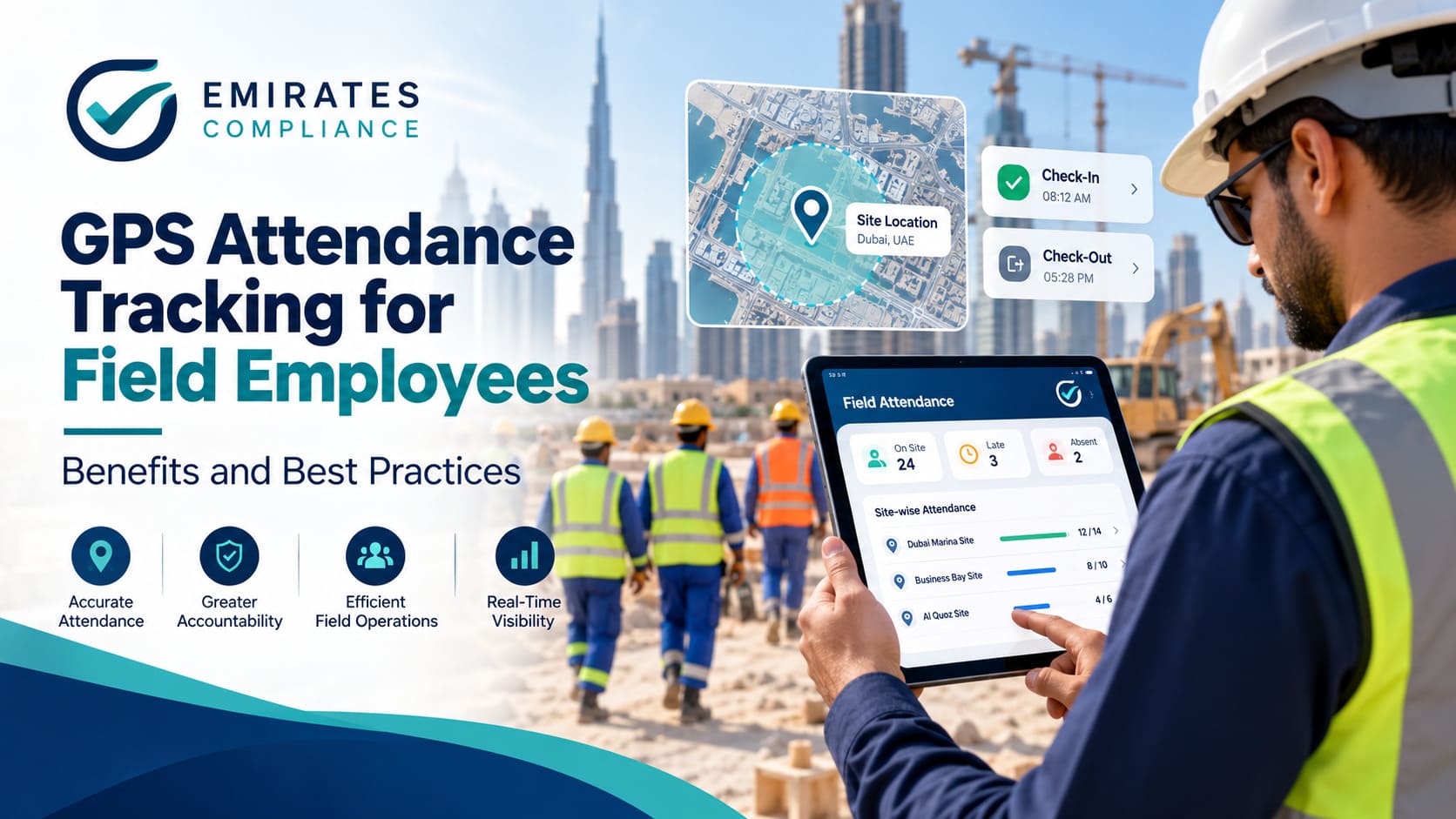
Tracking attendance is challenging when employees work across construction sites, warehouses, client facilities, or other remote locations. Manual attendance registers may result in delayed reporting, missing entries, and time-consuming verification. A connected cloud workforce management system allows authorised managers to review attendance information across different worksites without collecting separate spreadsheets. GPS-enabled mobile check-ins, site-wise reporting, and shift records can provide additional operational visibility. This helps HR and operations teams monitor attendance, address discrepancies, and coordinate daily workforce requirements.
4. Easier Employee Leave and Shift Management
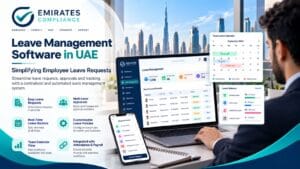
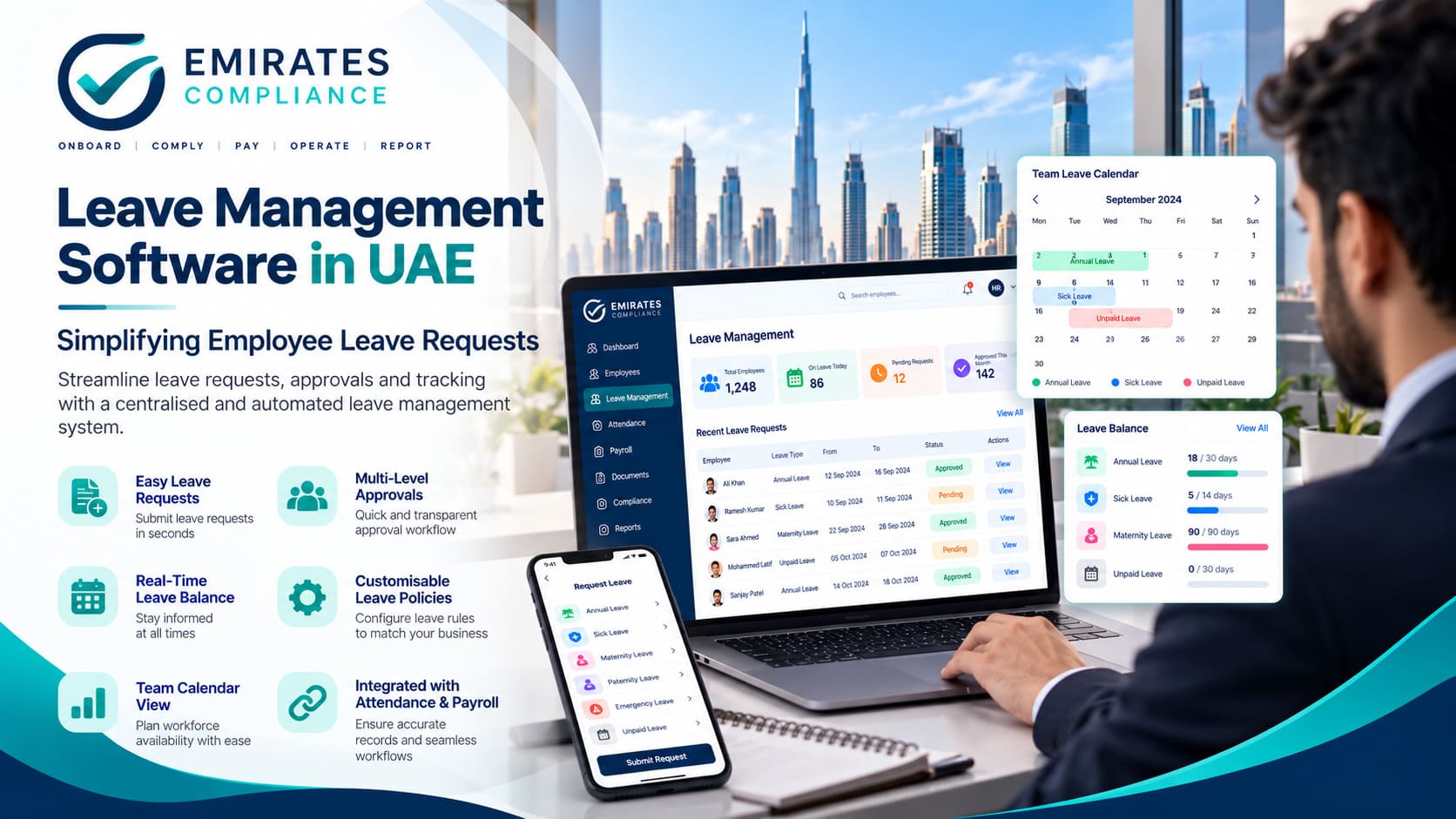
Managing leave requests and employee schedules requires regular coordination between HR departments, supervisors, and employees. When applications are handled through emails or paper forms, approvals may be delayed and leave balances can become difficult to track. Cloud-based HR management software helps businesses organise leave requests, approval workflows, employee availability, and shift information within one system. Managers can review staffing requirements before approving requests, while HR teams maintain clearer records. This is especially valuable for companies that must maintain workforce coverage across multiple projects.
5. Improved Payroll Preparation and WPS Workflows
Payroll preparation depends on accurate employee information, attendance records, leave details, and salary-related inputs. When these processes operate independently, HR and payroll teams may spend considerable time reconciling information before salary processing. Integrated HR and payroll software in UAE helps connect relevant workforce records and reduce repetitive administrative work. For employers covered by the Wage Protection System (WPS), organised payroll information can also support Salary Information File (SIF) preparation. Employers must still verify payroll accuracy and meet their applicable salary payment obligations.
6. More Organized HR Compliance Management
UAE employers must maintain relevant employment records and monitor applicable documentation requirements. Tracking Emirates ID details, residency visas, work permits, and important renewal dates manually can be difficult, particularly for businesses with hundreds of workers. Cloud HR compliance software helps centralise document information and provide configurable expiry reminders. HR teams can identify upcoming renewals, review incomplete records, and coordinate necessary follow-up activities. Although software cannot guarantee legal compliance, it supports stronger administrative organisation and helps businesses maintain better oversight of employee documentation.
7. Scalability and Greater Workforce Visibility
As UAE businesses expand, their HR systems must accommodate additional employees, departments, and locations. Cloud-based platforms can offer flexibility for growing organisations without requiring every branch to maintain separate employee databases. Centralised dashboards and workforce reports also help managers understand attendance patterns, staffing distribution, and outstanding administrative tasks. When evaluating HR software for UAE companies, employers should consider user capacity, access controls, service reliability, and reporting capabilities. Choosing a scalable system can support more consistent workforce management as operational requirements change.
How Emirates Compliance Supports Cloud-Based HR Management
At Emirates Compliance, we understand the everyday challenges of managing a diverse and distributed workforce. Our connected workforce management platform brings together AI-assisted employee onboarding, centralised employee profiles, document expiry tracking, GPS-enabled attendance, shift and leave management, and payroll-related workflows. We help UAE businesses reduce repetitive administration and improve visibility across essential workforce operations. Whether an organisation manages construction workers, manpower staffing teams, security personnel, or facilities management employees, our approach supports more organised and efficient HR processes.